“first explosion” search results (800)

Coffee roasting boutique coffee baking time
We already know what happens to coffee beans during coffee roasting. What do the so-called first and second explosions mean? Now let's talk about how to choose the time when coffee roasting stops. When do you want to stop baking? Can be judged from the following points: 1 coffee bean color 2 baking time 3 baking temperature coffee beans will start to smoke after the second explosion, from
2014-09-25 Coffee knowledge coffee roasting fine coffee roasting
About roasting coffee beans at home
When it comes to coffee, people think of instant coffee, freshly ground Americano or a perfectly fragrant packet of roasted coffee beans. While most people stay in the first three stages, some coffee lovers have already taken the earlier step of roasting fresh coffee beans. Today, this website has invited a person who roasts coffee beans at home. According to him, coffee starts from fresh green beans.
2014-08-08 Coffee knowledge Home Roasting coffee beans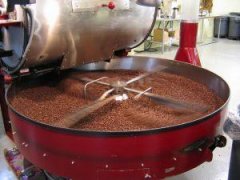
The skills of coffee roasting
When is dehydration? How many degrees does it take to climb? Smoke exhaust problem? What is the taxiing action? This professional knowledge of coffee roasting must be a skill question that many coffee roasters want to know.
2014-07-07 Coffee knowledge coffee roasting coffee encyclopedia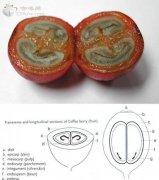
Common sense of coffee roasting
1. Dehydration: generally refers to the baking process below 170 degrees. Different baking appliances require different dehydration time, but it is usually best controlled at 5-8 minutes, depending on the water content of the beans. two。 Climbing temperature: usually the climbing temperature speed of baking is controlled between 7 and 14 degrees, which is related to the control of firepower, the better climbing temperature speed is controlled at about 10 degrees, and the water content of beans is different.
2014-06-25 Coffee knowledge coffee roasting coffee common sense coffee encyclopedia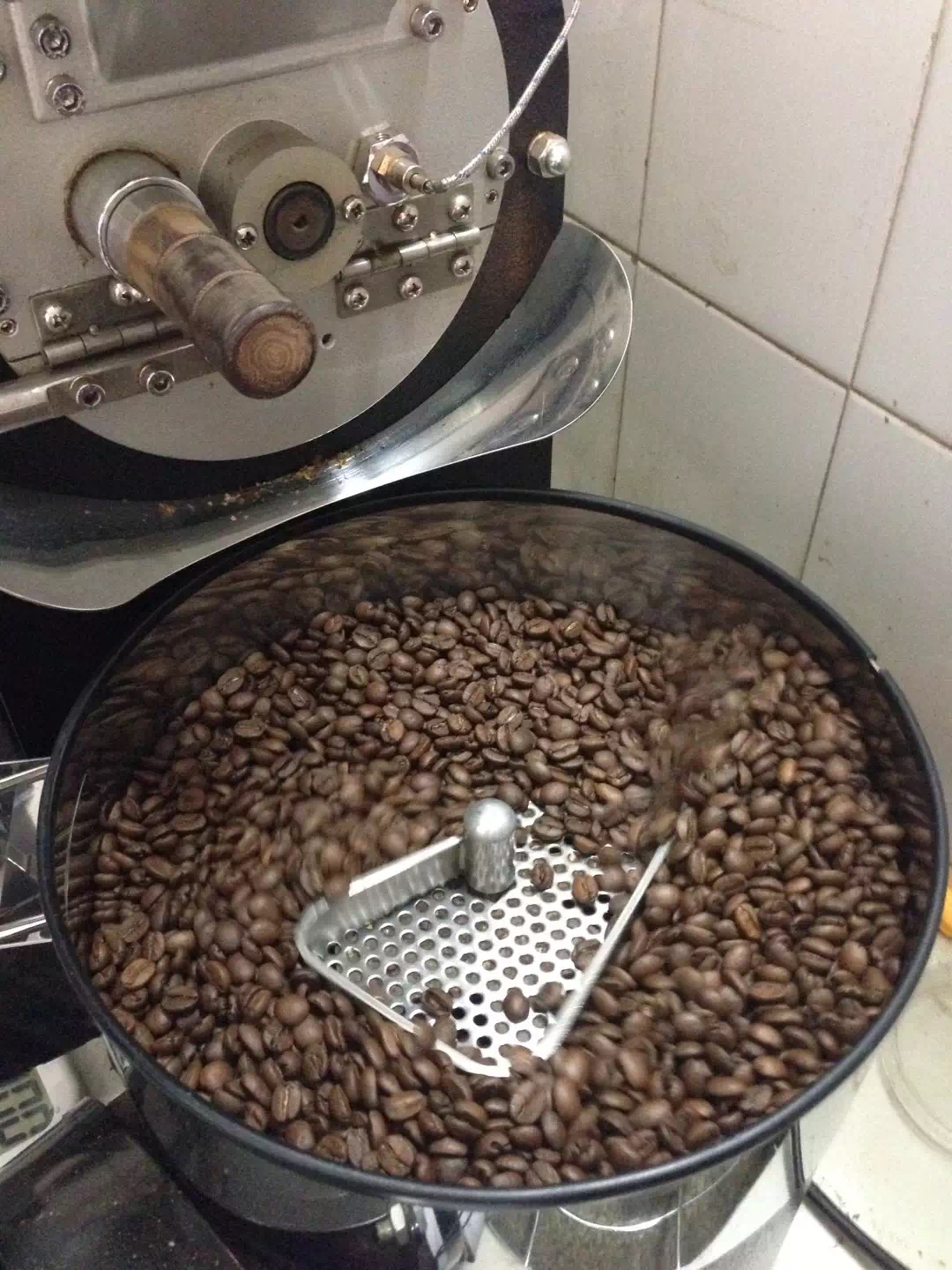
The small details that should be paid attention to in roasting coffee beans determine the success or failure of the roasting effect.
Baking this heat treatment causes significant chemical and physical changes in the structure and composition of raw coffee, causing the beans to darken and emit the unique aroma of roasted coffee. 1. The purpose of coffee roasting the main purposes of coffee roasting are: 1, aroma; 2, increase the complexity of coffee; 3, to obtain color; 4, to form the unique flavor of coffee. 2. Coffee is roasted according to the way it is roasted.
2015-11-23 Coffee beans roasting attention details decision effect success or failure this hot spot
Mr. Lim Dong-Won, coffee hands rush the class.
From Taiwan ERGOS [Duoer Notes] Coffee Cup Test-NOTE 9 @ GaBee. Mr. Lim Dong-Won, coffee hands rush the class.
2014-06-20 Coffee knowledge coffee hand brewing coffee tutorial
Yega Xuefei roasting records the roasting process of coffee beans
Yega snow coffee: turn the cage on the oven, preheat it at 170 degrees for 2 minutes, serve the coffee beans. Bake at 170 degrees for 2 minutes to 250 degrees. After about 11 minutes, hear the first explosion for more than ten seconds and quickly take it out and rotate to the cooling plate to cool down. Coffee beans are slightly deeper than the standard medium roasting, and the actual roasting degree must be below medium. A lot of silver skins are still glued to the coffee beans, indicating that they are not roasted enough.
2015-09-02 Yega Chevy Baking recording Coffee beans process Chefe oven Fire
Description of Flavor and appearance of Coffee beans in roasting stage
Degree description stage description stage description special point description flavor and appearance description refers to baking until the end of the first burst. Light baking is rarely used and is generally used only for testing. Cinnamon roasting is widely used in some canned coffee. The firepower is difficult to reach the bean core, and it is easy to cause half-cooked condition, so
2015-09-14 Coffee beans roasting stage flavor appearance description baking
Roasting of coffee beans Latin American Martinique coffee
Roasting tips: secret one: to achieve the highest caramelization-caramelization is an important factor affecting coffee flavor, because the raw beans will absorb a lot of heat when roasting, then there will be the first cracking sound (1st cracking), at this time, sugar begins to convert into carbon dioxide, water continues to evaporate, coffee aroma will gradually be emitted, and the formation of coffee fat. This pyrolysis reaction can continue until
2016-06-08 coffee beans roasting common sense latin america marti nick coffee tips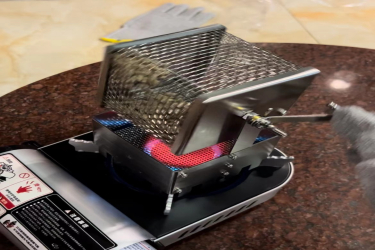
There are eight different degrees of coffee bean roasting. How do you roast coffee beans at home?
Traditionally, the roasting of coffee beans is divided into the following eight different degrees: the lightest roasted (Light) slightly yellow coffee color, which is not very rich in aroma and flavor; light roasted (Cinnamon) cinnamon, with slightly better aroma, a kind of American coffee; and ordinary roasted (Medium) maroon, mellow
2023-03-01 Coffee beans roasted divided eight kinds different degree tradition admiral roast
Several stages of roasting of coffee beans
Light baking is rarely used and is generally used only for testing. Cinnamon roasting is widely used in some canned coffee. Deep roasting is a process in which coffee goes to a dead end and is gradually carbonized. Degree description stage description stage description special point description flavor and appearance description refers to baking until the end of the first burst. Light baking
2015-03-25 Boutique coffee roasting common sense coffee beans several stages mild very few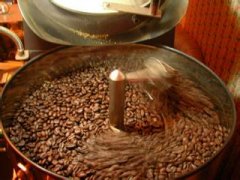
Analysis of roasting steps of coffee beans
Coffee is loved by people mainly because of the aroma formed by roasting and the taste when drinking. The coffee raw bean itself does not have any special taste, but roasting completely changes and reorganizes the substances inside the raw bean to form a new structure, thus bringing out the mellow flavor of the coffee.
2014-08-21 Coffee knowledge coffee roasting roasting steps baking analysis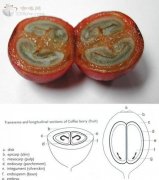
Coffee knowledge--coffee roasting
1. Dehydration: generally refers to the baking process below 170 degrees, different baking appliances required for dehydration time is different, but usually controlled in 5~8 minutes best, depending on the moisture content of beans and set. 2. Climbing temperature: Usually the temperature climbing speed of baking is controlled between 7 and 14 degrees. This is related to the control of firepower. The better temperature climbing speed is controlled at about 10 degrees. The moisture content of beans is different.
2014-08-20 Coffee knowledge Coffee roasting Roasting encyclopedia
Basic knowledge of Fine Coffee Table of roasting stages of coffee beans
Degree description stage description stage description special point description flavor and appearance description refers to baking until the end of the first burst. Light baking is rarely used and is generally used only for testing. Cinnamon roasting is widely used in some canned coffee. The firepower is difficult to reach the bean core, and it is easy to cause half-cooked condition, so
2014-12-09 Boutique coffee basics common sense coffee beans roasting stage flavor appearance description
Fine Coffee Science explains the roasting stage table of coffee beans in detail.
Degree description stage description stage description special point description flavor and appearance description refers to baking until the end of the first burst. Light baking is rarely used and is generally used only for testing. Cinnamon roasting is widely used in some canned coffee. The firepower is difficult to reach the bean core, and it is easy to cause half-cooked condition, so
2014-11-19 Coffee knowledge boutique caffeine coffee roasting table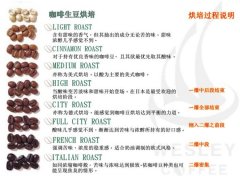
Coffee deep roasting and light roasting
Deep roasting and light roasting is simple, coffee beans are called deep roasting after the second burst, and before the first explosion is dense to the second burst, it is called light roasting to medium-deep roasting, and the color is closer to black with the deeper the roasting.
2014-07-04 Coffee deep roasting shallow roasting coffee beans
Boutique coffee roasting general knowledge coffee bean roasting stage
Light baking is rarely used and is generally used only for testing. Cinnamon roasting is widely used in some canned coffee. Deep roasting is a process in which coffee goes to a dead end and is gradually carbonized. Degree description stage description stage description special point description flavor and appearance description refers to baking until the end of the first burst. Light baking
2014-12-17 Boutique coffee roasting common sense coffee beans stage mild rarely use
When will the baking time of coffee beans stop baking?
We already know what happens to coffee beans during coffee roasting. What do the so-called first and second explosions mean? Now let's talk about how to choose the time when coffee roasting stops. When do you want to stop baking? Can be judged from the following points: 1 coffee bean color 2 baking time 3 baking temperature coffee beans will start to smoke after the second explosion, from
2015-09-02 Coffee beans roasting time when stop we already solved coffee
Coffee experts talk about roasting coffee beans at home.
When it comes to coffee, people often think of instant coffee, freshly ground American coffee or a perfectly delicious bag of roasted coffee beans. While most people are stuck in the first three stages, some coffee lovers have moved on to the earlier steps of baking fresh coffee beans. Today, SciDev.Net invited a talented person who roasted coffee beans at home. According to him, coffee comes from fresh raw beans.
2014-11-26 Coffee knowledge coffee common sense roasting coffee beans at home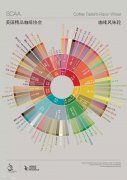
Coffee Flavor Wheel and flavor spectrum
The coffee taste spectrum was drawn by Tedelingo, a senior consultant of SCAA in 1997, and is composed of normal taste spectrum and abnormal taste spectrum. The so-called normal taste spectrum refers to the normal taste spectrum of coffee, while the abnormal taste spectrum refers to the abnormal taste spectrum of raw beans under abnormal conditions, such as improper processing, transportation and storage, resulting in deterioration of coffee protein, organic acids and fats, or improper roasting. "Coffee.
2016-06-01 Coffee Flavor Spectrum 1997 SCAA Senior Gu